
Known for
Bojan Milanović is known for his performances at the MESAM and Beogradsko proleće festivals in the late 1980s and throughout the 1990s, for songs such as "Katarina," "Ne pali svetlo," and "Ponesi me na krilima," and for a guest appearance on the cult TV series "Srećni ljudi," after which he stepped away from the media and continued singing locally.
8 min read
Who is Bojan Milanović
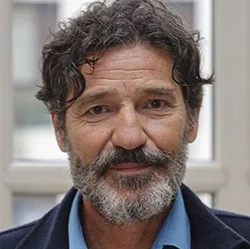
Bojan Milanović is a Serbian singer, born on November 28, 1961, in Šid. He built his career in the late 1980s and throughout the 1990s, a period when entertainment music festivals such as MESAM and Beogradsko proleće served as the main promotional stage for pop and easy-listening singers in what was then Yugoslavia, and later Serbia. Audiences remember him above all for emotionally charged ballads, particularly the songs "Katarina" and "Ne pali svetlo."Unlike performers who remained a constant media presence, Bojan Milanović largely vanished from public life after an active career that lasted around eleven years, which has made his story a recurring subject of interest for tabloids and outlets covering 1990s pop culture.Early Life and Childhood
Very little is publicly known about Bojan Milanović's early childhood. He was born in Šid, a town in the Srem region of northwestern Serbia, in what was then the Socialist Federal Republic of Yugoslavia. Details about his family, parents, or upbringing are not publicly available, which is common for performers who built their careers before the internet and social media, when private details about entertainers rarely reached the press unless the performers chose to share them in interviews.Education
Information about Bojan Milanović's formal education, including any musical schooling, is not publicly known. It has not been confirmed whether he attended a music school or was self-taught, which was common among entertainment singers of that era.Start of Career
Bojan Milanović first appeared on the music scene in 1989, performing at the MESAM festival with the song "Ponesi me na krilima." MESAM, alongside Beogradsko proleće, was at the time one of the most important entertainment music festivals in Serbia, a stage where many performers who later became mainstream names first introduced their songs.That same year, 1989, Bojan Milanović released his debut album for the Croatian market, titled "Zagrizi me jako, najjače," positioning his career from the outset toward the wider Yugoslav entertainment music market beyond Serbia's borders.Rise to Popularity
Three years after his debut, in 1992, Bojan Milanović performed at the festival in Budva with the song "Želeo bih," extending his presence to the coastal festivals that were, throughout the 1990s, a favorite summer gathering spot for entertainment music audiences. That same year he returned to MESAM with the song "Ciganka."At "Beogradsko proleće," one of the most prestigious entertainment music competitions of the era, Bojan Milanović won both the audience and jury award for a song listed in sources as "Kad duša zamire" (some sources record the title as "Kad duša zamre" — sources vary), one of the most significant recognitions of his career.In 1993, the record label PGP released his second album, titled "Želeo bih," named after the song he performed in Budva. This album cemented his standing on the entertainment scene in the mid-1990s.Biggest Successes
The peak of Bojan Milanović's recording career came with the album "Uzmi sve što ljubav dotakne," released in 1995. This album produced some of his best-known hits, including "Jutro," "Ti si moja ciganka," "Prvi put," and "Mi se ljubimo." These songs made him a familiar name at summer, coastal, and hotel performances across the country during the second half of the 1990s.His final studio album, "Kraljica," was released in 2000 by the label PGP RTS, closing out an eleven-year run of active recording that began in 1989.Among his best-known songs, alongside those already mentioned, are "Katarina" and "Ne pali svetlo" — ballads that, while not conclusively tied to a specific album according to available sources, remain the most lasting part of his musical legacy and the songs audiences most associate with him today.Guest Appearance on "Srećni ljudi"
Serbian audiences particularly remember Bojan Milanović for his guest appearance on the cult TV series "Srećni ljudi," one of the most-watched domestic shows of the 1990s, which followed the daily life of the Golubović family during the period of sanctions and economic hardship. Bojan appeared on the show twice — once at a beauty pageant scene, and again at the opening of a hospitality venue, where, dressed in a yellow suit, he performed the song "Ne pali svetlo." Notably, that song, despite the popularity of the scene in which it was performed, was never officially released on any of his albums.His appearance on "Srećni ljudi" remains one of the most memorable moments of his career, thanks to the show's enormous viewership throughout the 1990s.Personal Life
Bojan Milanović has been extremely private about his personal life, and information about any marriage, children, or family life is not publicly available. After releasing his final album in 2000, he withdrew almost entirely from the media and the mainstream entertainment scene, though, according to available sources, he continued working professionally in music.According to more recent media reports, Bojan Milanović now lives in Sokobanja, a spa town in eastern Serbia, from where he occasionally travels to Niš, performing at hospitality venues on weekends. Although he left the major entertainment scene, music has, according to available information, remained his ongoing occupation.Interesting Facts
- While stepping down from the stage at the MESAM festival, blinded by the spotlights, Bojan Milanović missed a step and fell down a flight of stairs in front of thousands of spectators in the hall and the television audience, but without serious injury.
- The song "Ne pali svetlo," which he performed on "Srećni ljudi," was never officially released on any of his albums, even though it is one of the songs audiences remember him by most.
- After years away from the media, Bojan Milanović reportedly released a few new songs outside his official albums, including titles such as "Da su meni krila sokola," "Grešnica," and "Oči Svetlane," although, according to the same sources, these songs did not receive significant radio support.
Awards and Recognition
The most significant recognition of Bojan Milanović's career is the audience and jury award he won at the "Beogradsko proleće" festival for the song listed in sources as "Kad duša zamire." Beyond this award, available sources do not mention other official prizes, although his presence and performances at festivals such as MESAM and the Budva festival were, in themselves, a form of recognition of his place on the entertainment scene of the time.Legacy and Influence
Bojan Milanović belongs to a generation of entertainment singers who built their careers at a particular historical juncture — amid the breakup of Yugoslavia and the difficult period of sanctions during the 1990s. His songs, especially "Ne pali svetlo" and "Katarina," remain a recognizable part of that era's soundtrack, often recalled in nostalgic media retrospectives on 1990s entertainment.Although he never reached the star status of the biggest names in Serbian entertainment music, Bojan Milanović remains an example of a performer whose legacy has endured thanks to the generation that grew up with 1990s television and festivals, as well as the media's periodic interest in the fate of former entertainment stars who withdrew from public life.Biography – Frequently Asked Questions
When was Bojan Milanović born?
Bojan Milanović was born on November 28, 1961, in Šid.Is Bojan Milanović still alive?
Yes, according to available media reports, Bojan Milanović is alive and, according to more recent reports, lives in Sokobanja.What is Bojan Milanović best known for?
He is best known for the songs "Katarina" and "Ne pali svetlo," as well as for his performances at the MESAM and Beogradsko proleće festivals in the late 1980s and 1990s.Which TV series did Bojan Milanović appear in?
Bojan Milanović made a guest appearance on the cult domestic series "Srećni ljudi," where he performed the song "Ne pali svetlo."What albums did Bojan Milanović release?
He released the albums "Zagrizi me jako, najjače" (1989, for the Croatian market), "Želeo bih" (1993), "Uzmi sve što ljubav dotakne" (1995), and "Kraljica" (2000).Why did Bojan Milanović withdraw from public life?
The exact reason for his withdrawal is not publicly known. After releasing his final album in 2000, he simply stopped being a media presence, although, according to available information, he continued working in music away from the mainstream entertainment scene.Does Bojan Milanović still sing today?
According to available sources, yes — he occasionally performs at hospitality venues in Niš and the surrounding area, while living in Sokobanja.Where is Bojan Milanović from?
He was born in Šid, a town in the Srem region of Serbia.What is Bojan Milanović's biggest award?
His most significant recognition is the audience and jury award he won at the "Beogradsko proleće" festival.Conclusion
Bojan Milanović is a clear example of an entertainment singer who, in a short but intense eleven-year span between 1989 and 2000, built a recognizable career through performances at the MESAM and Beogradsko proleće festivals, released albums, and songs like "Katarina" and "Ne pali svetlo," before disappearing almost entirely from the mainstream entertainment scene. Born in Šid in 1961, he now lives quietly in Sokobanja, and music, according to available information, remains part of his everyday life, even if far from the media spotlight he once had.Related biographies



Last updated: August 27, 2026
Report this biography
If you noticed an error, inappropriate content, or have another reason to report this page, fill in the form below.